
Essential Tips for Effective Waxing Aftercare
Waxing is a popular hair removal method that leaves skin smooth and hair-free for weeks. However, the way you care for your skin after waxing plays a crucial role in how well your skin heals and how long the results last. Proper waxing aftercare can prevent irritation, ingrown hairs, and infections, ensuring your skin stays healthy and comfortable. This guide offers practical tips to help you care for your skin after waxing and enjoy the best results.
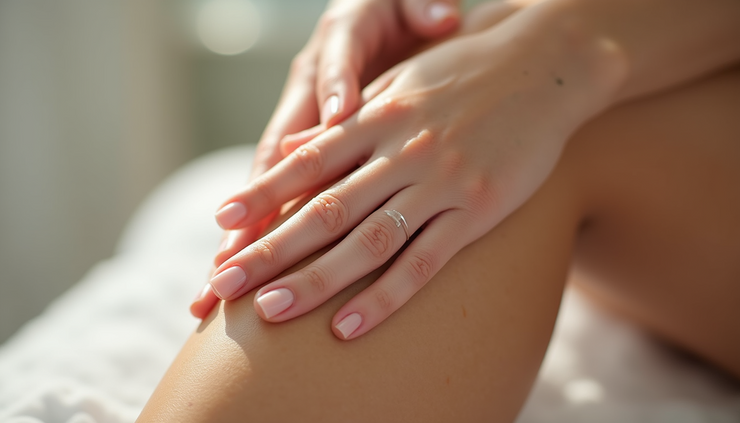
Why Waxing Aftercare Matters
Waxing removes hair from the root, which can leave your skin sensitive and vulnerable. The hair follicles open up during waxing, making the skin prone to bacteria and irritation. Without proper care, you might experience redness, bumps, or even infections. Taking care of your skin after waxing helps:
Reduce redness and inflammation
Prevent ingrown hairs
Keep skin hydrated and soft
Extend the smoothness of your skin
Understanding the importance of aftercare motivates you to follow the right steps and avoid common mistakes.
Immediate Steps to Take After Waxing
Right after waxing, your skin needs gentle treatment to calm irritation and protect the open follicles.
Avoid touching the waxed area to prevent transferring bacteria.
Apply a cold compress or ice pack wrapped in a cloth to reduce redness and swelling. Use it for 10 to 15 minutes.
Use a soothing lotion or gel with ingredients like aloe vera or chamomile to calm the skin. Avoid heavily fragranced or alcohol-based products.
Wear loose clothing to avoid friction and allow the skin to breathe. Tight clothes can cause irritation and trap sweat.
These steps help your skin recover quickly and reduce discomfort.
What to Avoid After Waxing
Certain activities and products can worsen irritation or cause infections after waxing. Avoid these for at least 24 to 48 hours:
Hot showers, saunas, and steam rooms: Heat opens pores and can increase redness.
Swimming in pools, hot tubs, or the ocean: Chlorine and saltwater can irritate sensitive skin and introduce bacteria.
Sun exposure and tanning beds: Waxed skin is more sensitive to UV rays, increasing the risk of burns and pigmentation.
Exfoliating or using harsh scrubs: Your skin needs time to heal before exfoliation. Wait at least 48 hours.
Applying makeup or heavy creams on waxed facial areas to avoid clogging pores.
Following these restrictions helps prevent complications and keeps your skin calm.
How to Prevent Ingrown Hairs
Ingrown hairs are a common concern after waxing. They occur when hair grows back into the skin instead of outward, causing bumps and sometimes infection. To reduce the risk:
Exfoliate gently starting 3 days after waxing using a mild scrub or a soft washcloth. This removes dead skin cells and frees trapped hairs.
Moisturize daily with a non-comedogenic lotion to keep skin soft and flexible.
Avoid tight clothing that rubs against the waxed area, especially on legs and bikini lines.
Consider using products with salicylic acid or glycolic acid after the initial healing phase to keep pores clear.
Regular care and attention can keep ingrown hairs at bay and maintain smooth skin.
Long-Term Waxing Aftercare Tips
Maintaining your skin between waxing sessions supports healthy hair growth and skin condition.
Keep your skin hydrated by drinking water and using moisturizers regularly.
Exfoliate 1 to 2 times a week to prevent buildup of dead skin and reduce ingrown hairs.
Schedule waxing appointments consistently every 4 to 6 weeks to catch hair in the right growth phase.
Avoid shaving or plucking between sessions to prevent uneven hair growth and irritation.
Wear sunscreen daily on exposed waxed areas to protect sensitive skin from sun damage.
These habits improve your waxing experience and skin health over time.
Choosing the Right Products for Aftercare
Selecting suitable products can make a big difference in how your skin heals after waxing.
Look for soothing ingredients like aloe vera, calendula, chamomile, or tea tree oil.
Avoid products with alcohol, fragrances, or harsh chemicals that can dry or irritate skin.
Use gentle cleansers instead of soaps that strip natural oils.
For ingrown hair prevention, try products containing salicylic acid or glycolic acid but introduce them gradually.
If irritation persists, consider consulting a dermatologist for specialized creams or treatments.
Choosing the right products supports your skin’s recovery and comfort.
When to Seek Professional Help
Most waxing aftercare issues resolve with proper home care. However, watch for signs that need medical attention:
Severe redness, swelling, or pain lasting more than a few days
Pus, blisters, or open sores indicating infection
Allergic reactions such as rash or hives
Persistent ingrown hairs that become painful or infected
If you notice these symptoms, see a healthcare professional promptly to avoid complications.